
Mastering the Standards for Indoor and Outdoor Lighting
February 20, 2026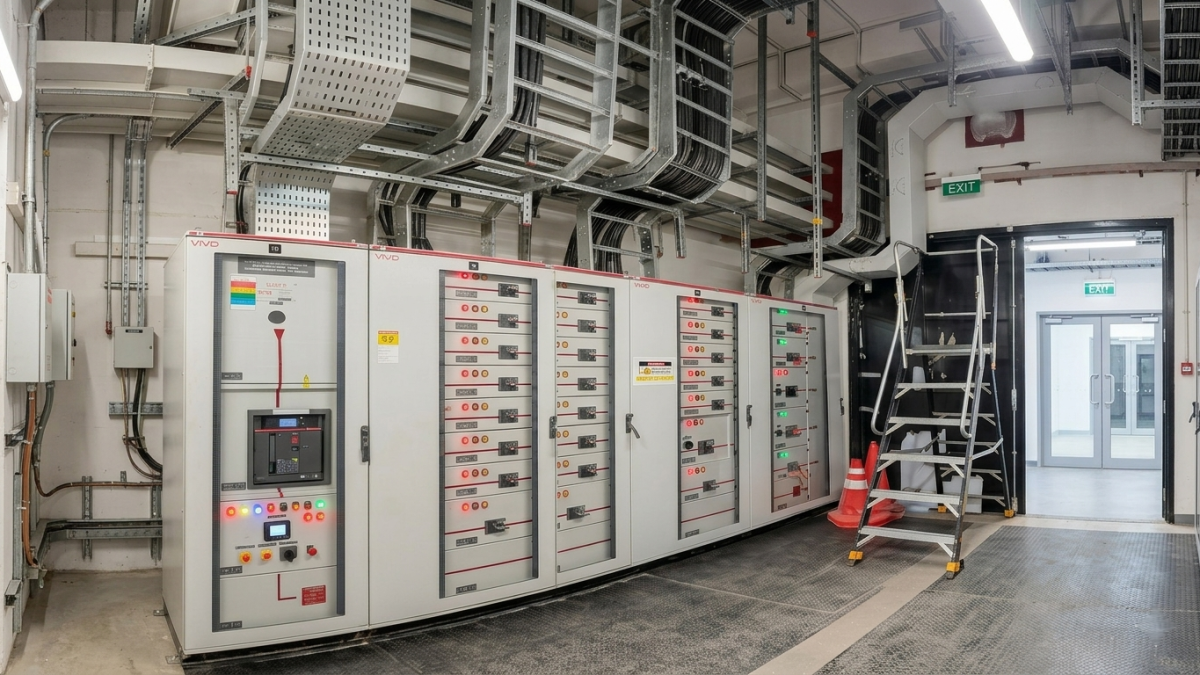
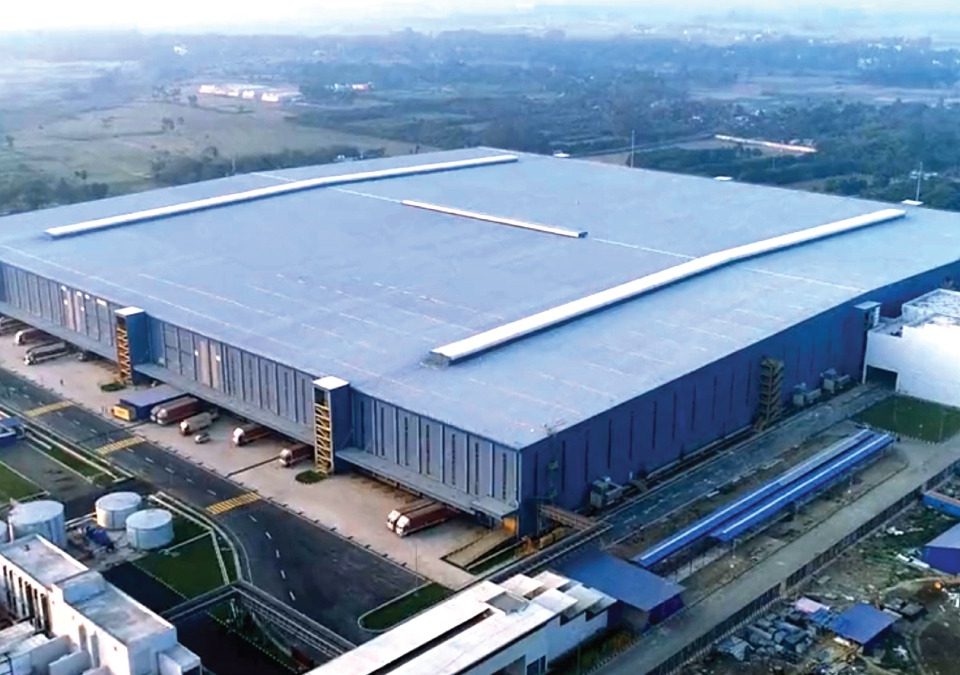
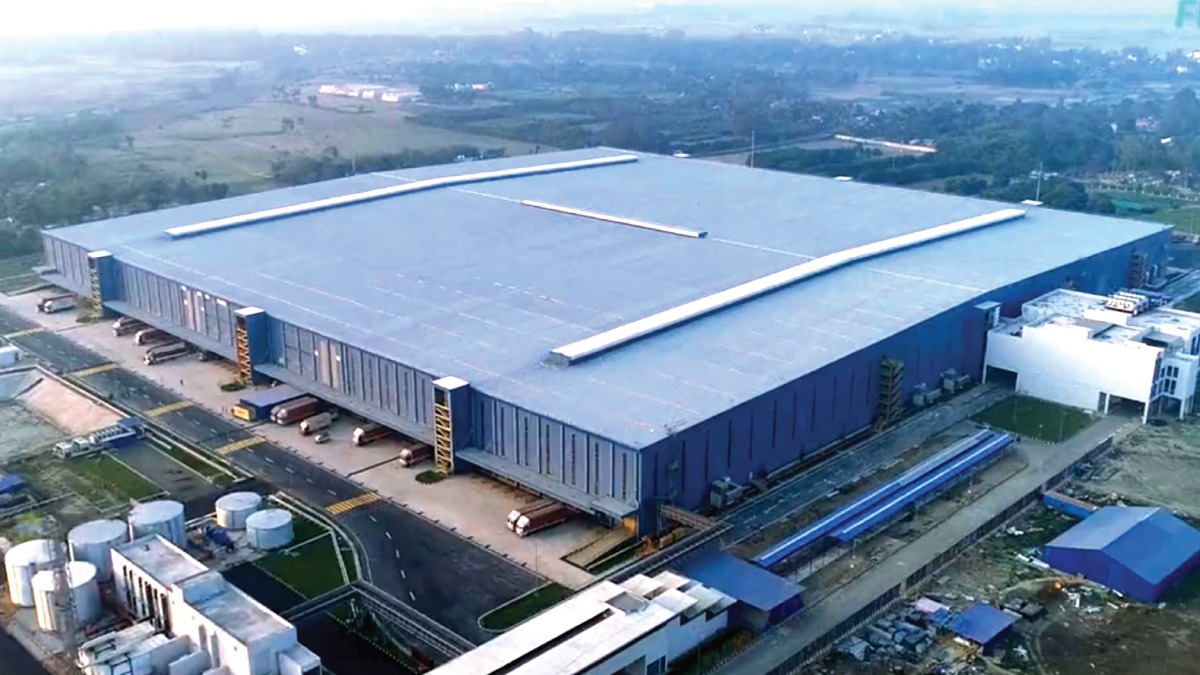
Building Reliability Through Discipline: A Look at Execution Standards from Adani Connex, Pune
In high-dependency environments like data centers, electrical systems are expected to perform without failure – continuously, efficiently, and safely.
While design plays a crucial role, it is the quality of execution on site that ultimately determines how well a system performs over time. Small decisions like how cables are routed, how terminations are done, how materials are handled, can significantly influence long-term reliability.
Using examples from our recent data center project in Pune, this article highlights key electrical practices that contribute to building dependable infrastructure.
Cable Management: More Than Just Neatness
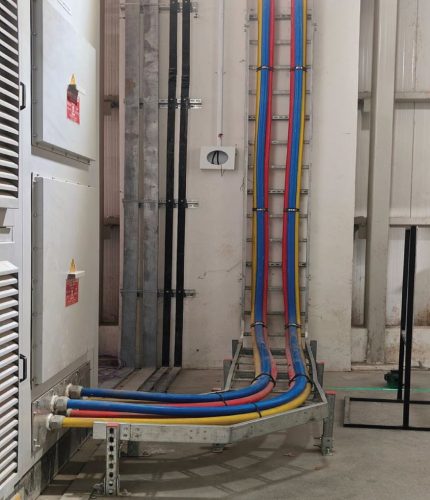
The way cables are routed; both vertically and horizontally, has a direct impact on system performance.
As seen in the picture vertical cable drops and horizontal dressing, structured routing with consistent spacing and alignment helps in:
- Simplifying maintenance and future modifications
- Reducing thermal buildup
- Ensuring clarity in complex installations
Well-managed cables are easier to inspect, troubleshoot, and scale.
Maintaining Proper Bending Radius
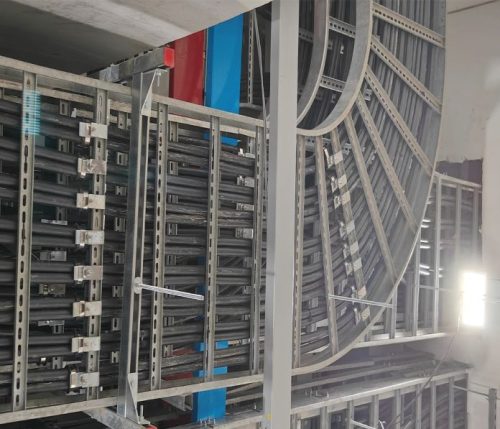
Cables are designed to operate within specific bending limits. Exceeding these limits can damage internal conductors and insulation.
The bending radius implementation seen in the picture demonstrates how controlled routing helps maintain these limits. This practice:
- Prevents mechanical stress
- Preserves cable life
- Ensures consistent electrical performance
It’s a detail that often goes unnoticed but has long-term implications.
Handling of HT Cables
High Tension cables require careful handling due to their load-bearing role in the system.
The single core HT cable dressing in the picture shows organized placement, appropriate spacing, and phase identification. Such practices help in:
- Minimizing interference between phases
- Improving safety and accessibility
- Supporting efficient heat dissipation
Cable Tray Installation: Structural Backbone
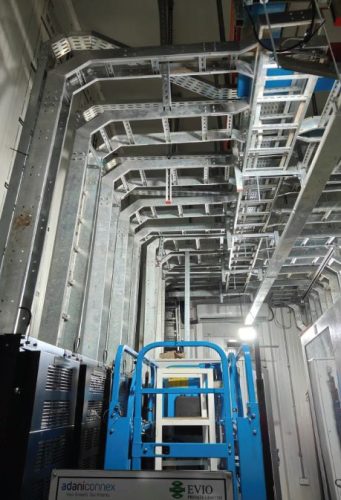
Cable trays are not just supports they define the routing discipline of the entire system.
The installations visible in the picture reflect well-aligned and properly supported trays, which contribute to:
- Load-bearing stability
- Clear segregation of different cable types
- Flexibility for future expansion
Proper tray installation ensures that the system remains adaptable over time.
Termination Quality Matters
Cable termination is a critical point in any electrical system. Even minor inconsistencies here can lead to failures.
The termination examples in the picture highlight clean connections, proper insulation, and clear identification. Good termination practices typically ensure:
- Reliable electrical contact
- Lower resistance and heat generation
- Easier inspection and maintenance
Earthing Systems: Safety at the Core
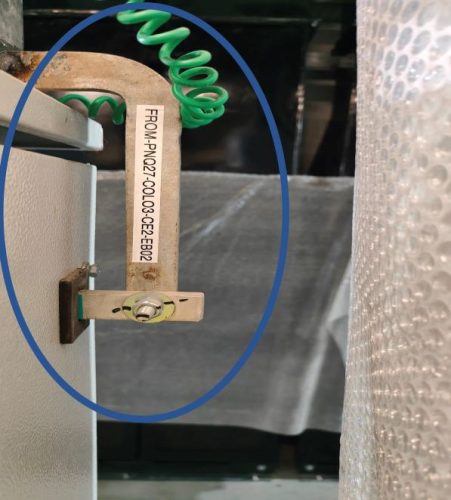
An effective earthing system is essential for both safety and equipment protection.
The earthing connections and earth bus system shown in the picture illustrate structured grounding practices with identifiable connections. This supports:
- Safe dissipation of fault currents
- Protection of sensitive equipment
- Traceability during inspections
Equipment Installation and Accessibility
Electrical panels and equipment need to be installed with both operation and maintenance in mind.
From the equipment installation layouts (page 9) , it is evident that spacing, alignment, and accessibility are key considerations. This enables:
- Safer operations
- Efficient monitoring
- Ease of servicing
Site Organization: Enabling Better Execution
Behind every well-executed project is a well-managed site.
The organized site store here reflects structured material handling and storage practices. Good site management contributes to:
- Reduced material damage and loss
- Improved workflow efficiency
- Enhanced safety conditions
In electrical projects, reliability is rarely the result of a single decision. It is built through a series of consistent, well-executed practices across every stage of installation.
From cable routing to earthing, from termination to site management, attention to detail plays a defining role in how systems perform over time.
Because in the end, good practices don’t just improve execution, they shape outcomes.